 CONTACT
The home now accommodates more than rest and domestic routines alone. With hybrid working becoming part of everyday life for many households, living spaces are often used for both professional tasks and personal time within the same day.
This shift is less about turning homes into offices and more about how modern homes are planned to support movement between different uses. Layout, comfort, infrastructure and flexibility all play a role in helping spaces function across changing daily patterns.
Many rooms now serve more than one purpose depending on the time of day. A kitchen table may be used for work in the morning before returning to meals or homework later on. A spare room can function as a workspace during office hours, then shift back to guest use in the evening.
Living areas may support focused work during quieter daytime hours before returning to their primary role as places to relax. These transitions are often subtle and built into routine use, rather than requiring major changes to the room itself.
Modern homes that allow furniture to move easily, offer practical surface space and provide enough room to shift between activities tend to support this pattern more naturally.

Working from home often depends on being able to create some distinction between professional time and personal time, even within the same property.
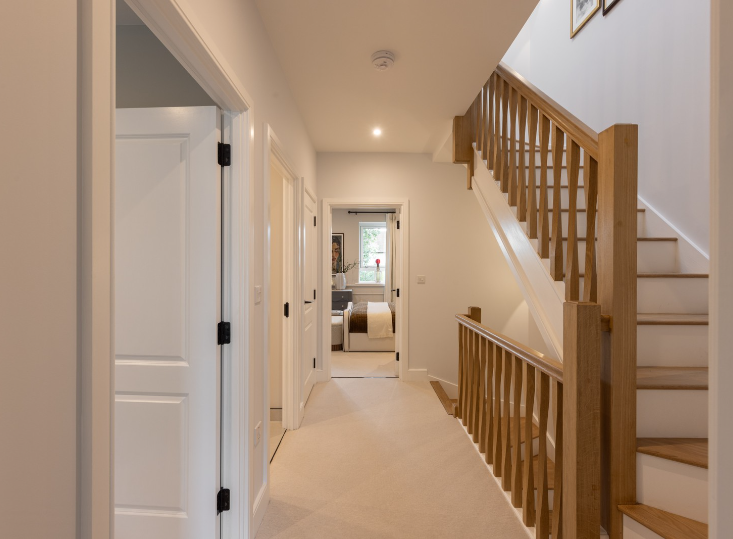
This can be achieved through layout rather than size alone. A hallway may separate a workspace from the main living area. A quieter second room can provide distance from busier parts of the home. Even within open-plan homes, separate corners or zones can help create a clearer sense of purpose.
The ability to move away from a workspace at the end of the day can make shared use of the home feel more manageable.
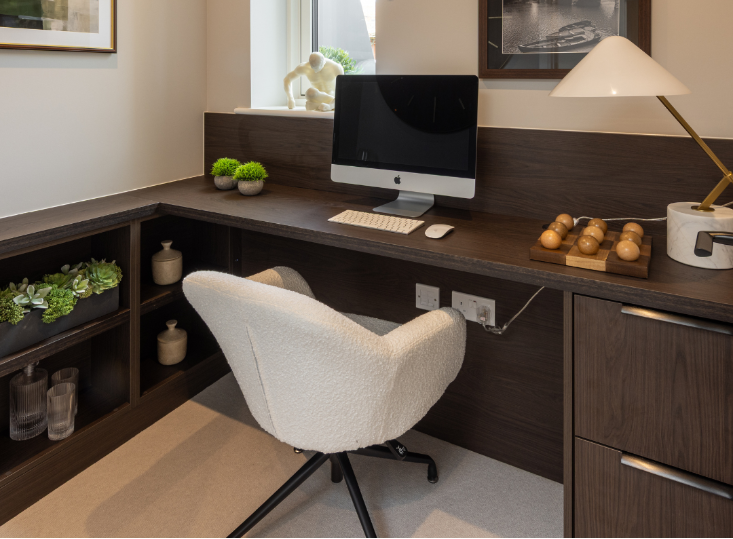
Reliable connectivity has become a practical requirement of everyday living. Video calls, file sharing and digital communication all depend on stable broadband that supports uninterrupted working patterns.
Power access also plays an important role. Homes designed around modern use often position sockets where devices are likely to be used rather than only around perimeter walls.
Integrated technology such as charging points or smart heating controls can also support smoother daily routines, particularly when more time is spent at home.
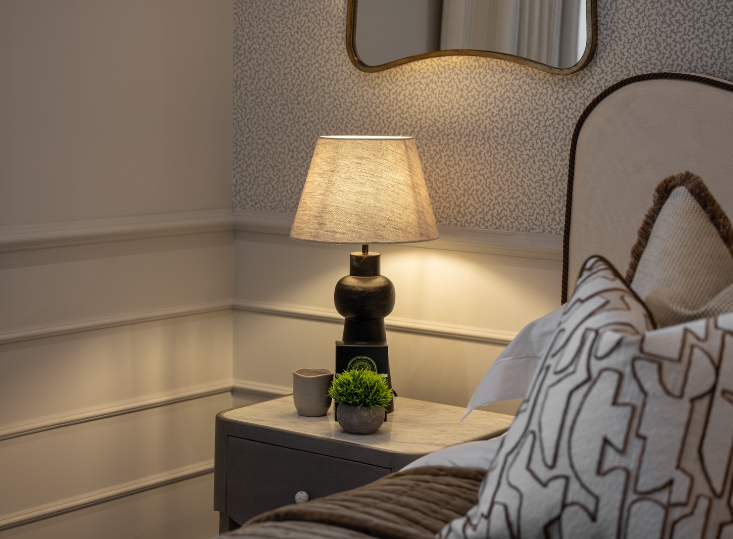
Environmental comfort has a clear effect on how usable a home feels across the day.
Natural light can make rooms feel easier to spend time in for extended periods, while ventilation helps spaces remain comfortable when occupied for longer hours. Temperature stability also matters, particularly during winter or warmer summer periods.
These factors are rarely the headline feature of a home, but they shape how practical and comfortable everyday working patterns feel over time.
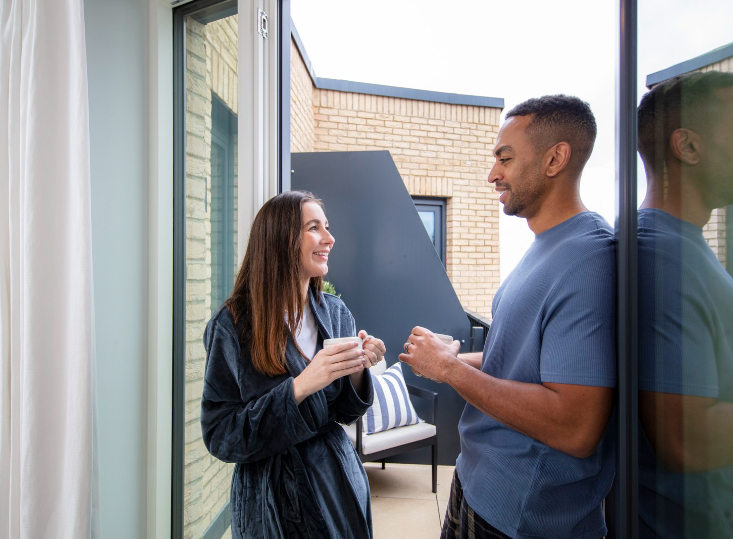
Rooms are increasingly expected to shift in purpose over the years rather than remain fixed.
A second bedroom may be used as a workspace, then later as a nursery or study room. Dining areas may also support temporary desk use without losing their original purpose.
This adaptability helps homes respond to changes in work patterns, family life or household size without requiring major alterations.
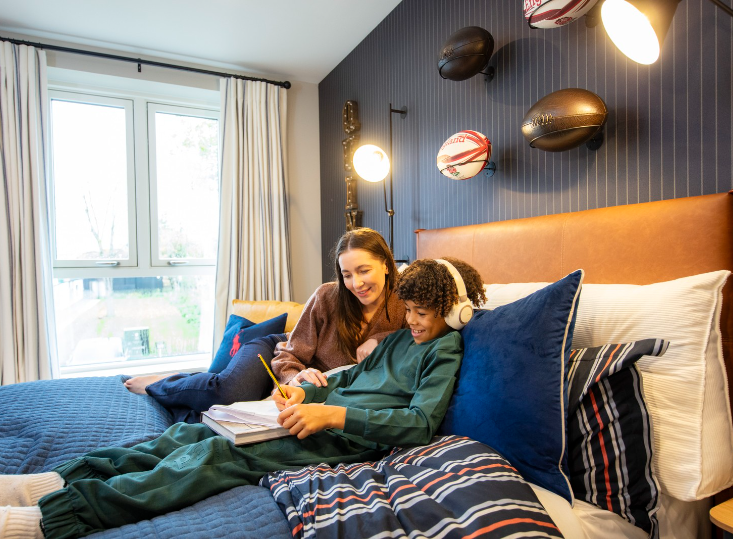
Spending more time at home can increase heating, electricity and general running costs.
Energy-efficient homes help manage this through insulation, efficient heating systems and layouts that retain warmth more effectively. This has a practical impact on everyday affordability, particularly for households using the home throughout the working week.
Efficiency in this context is part of day-to-day comfort as much as long-term cost control.

Noise levels can significantly affect the experience of working from home.
In apartments or terraced homes, sound from neighbouring properties may interrupt calls or concentration. Internal noise within the home can also affect shared living arrangements.
Modern homes often address this through layout choices, improved sound insulation and room positioning that supports greater privacy. A quieter environment can make work and living feel easier to balance within the same space.
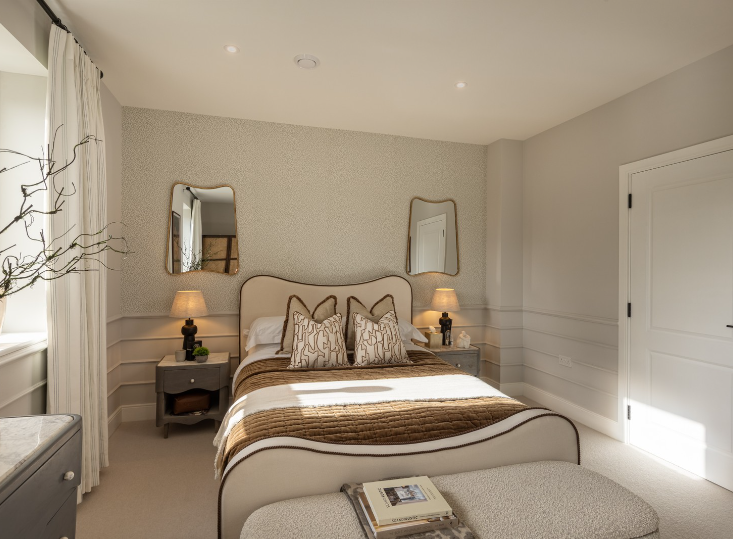
Work–life balance at home is usually supported through a combination of factors rather than one single feature. Flexible spaces, practical infrastructure, acoustic comfort, natural light and the ability to create separation all contribute to homes that function well across the day.
London Square reflects this considered approach, with layouts designed for modern patterns of living, access to light, and infrastructure suited to changing household needs. The emphasis remains on creating homes that support everyday life in a practical and lasting way. See our current availability across London here.
How do modern homes support working from home?
Modern homes often support working from home through flexible layouts, reliable connectivity, practical power access and spaces that can adapt throughout the day.
Are new-build homes better for hybrid working?
Many new-build homes are planned with hybrid living in mind, often including better infrastructure, adaptable layouts and improved comfort for spending more time at home.
What makes a home suitable for both work and living?
Homes that work well for both uses often combine adaptable rooms, separation between spaces, good natural light and reliable connectivity.
How do layouts affect work–life balance at home?
Layouts influence how easily people can move between work and personal time, particularly where quieter zones or separate rooms are available.
Do modern homes include flexible working spaces?
Many modern homes include rooms or areas that can shift in function, while some developments also provide communal workspaces for residents.


 CALL
CALL