 CONTACT
A multi-million-pound transformation project, Woolwich regeneration is reshaping one of South-East London’s most historic riverside towns. The project is not just benefiting the town centre, its historic military quarters and public squares, but also the surrounding residential streets.
The initiative is being driven by major housing schemes such as London Square Woolwich, town-centre redevelopments like Woolwich Exchange and enhanced public realm projects. Strategic transport investments are also playing a key role.
Excitingly, for existing and prospective residents, the town’s renewal is bringing about hundreds of high-quality new homes. These are being complemented by the restoration of historic sites along with the creation of new green public spaces and modern amenities.
By bridging the gap between established neighbourhoods and new riverside quarters, the ongoing investment is reinforcing Woolwich’s status as a thriving location to live, work and invest.
Thanks to its rich heritage, scope for brownfield development and Thameside location, Woolwich is arguably the Royal Borough of Greenwich’s rising star. Until recently, the town centre has operated separately from its industrial waterfront.
But a long-term vision for Woolwich redevelopment is re-integrating these areas into one community, delivering major business and residential opportunities.
The Elizabeth line has been one of the main catalysts of Woolwich development, significantly altering the town’s connectivity. With train journeys reaching Canary Wharf in eight minutes, the City of London in 15 minutes and Bond Street in 22 minutes, the town is now considered one of London’s most accessible commuter destinations.
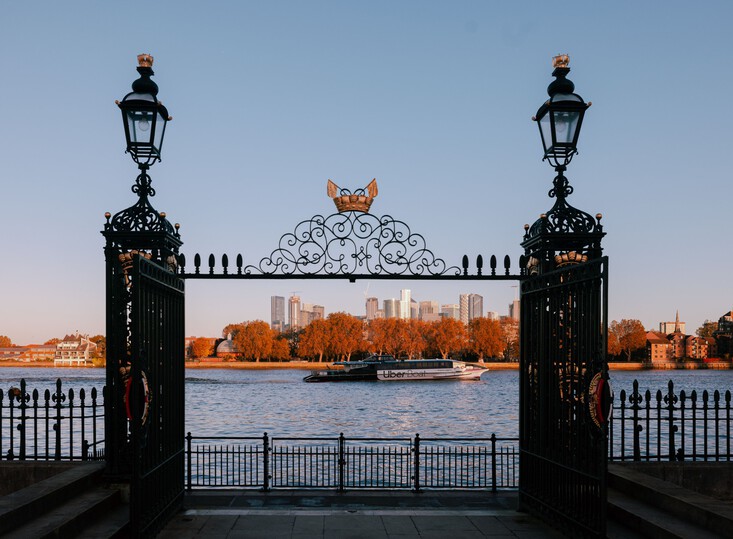
Add to this the existing National Rail and DLR services from Woolwich Arsenal station and it becomes easy to see why ongoing development projects have attracted substantial public and private capital.
The central aim of the current Woolwich development plans is to build a resilient, forward-looking town centre. This is being achieved, thanks to strategic investments that have focused on upgrading pedestrian infrastructure, diversifying retail offerings, creating high-quality public spaces and delivering modern cultural facilities.
Meanwhile, moves to connect historic commercial areas like Powis Street with contemporary riverside quarters are locking in long-term economic growth whilst retaining the area’s rich civic character.
At the heart of Woolwich town centre regeneration is Woolwich Exchange, a landmark 2.3-hectare residential-led scheme between Plumstead Road and Spray Street. Delivered by the Royal Borough of Greenwich and a range of project partners, Woolwich Exchange is injecting fresh energy into the commercial core as a key Woolwich central development.
A standout aspect of the Woolwich Exchange development is the sensitive repurposing of the Grade II listed former Woolwich covered market into vibrant new community facilities, leisure spaces, independent retail units and a multi-screen cinema.
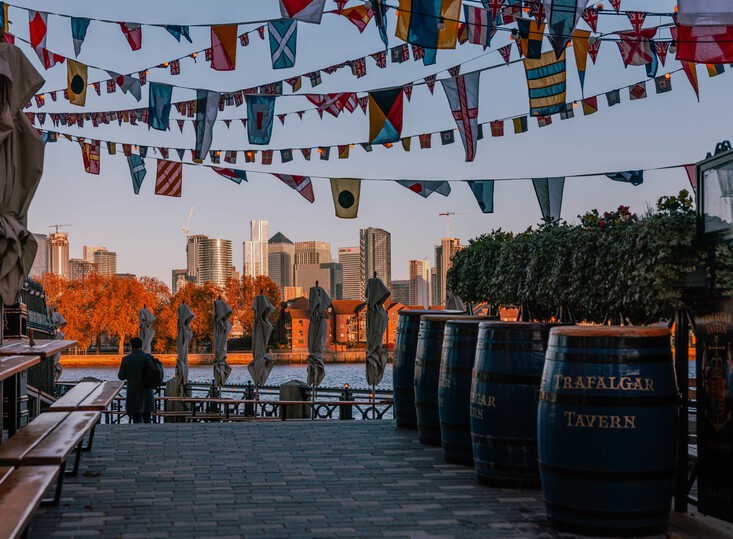
Surrounding the historic market hall, the scheme will deliver over 1,000 multi-tenure new homes in Woolwich, including dedicated affordable housing, set within landscaped pedestrian alleyways and public plazas.
The Woolwich Exchange project is very much in tune with wider Woolwich Beresford Square redevelopment plans funded in part by the Future High Streets Fund. As the civic heart of Woolwich, Beresford Square has undergone a complete overhaul designed by LDA Design and Studio Weave.
The square now hosts a new market pavilion, enhanced by biodiverse market gardens planted with drought tolerant shrubs and semi-mature trees and interactive water features such as fountain jets, complementing the upgraded paving and street furniture in Powis Street.
Together, the newly connected Beresford Square, Royal Arsenal Gatehouse and Elizabeth line station are creating a greener and more attractive destination for residents and visitors alike.
As well as the revitalisation of town-centre commercial streets, several other major projects are driving new developments in Woolwich.
Among these is the ongoing evolution of the Royal Arsenal development, where heritage buildings, public spaces, cultural venues and new infrastructure have helped reconnect the riverside with the wider town.
Landmark venues, such as Woolwich Works - a multi-disciplinary arts centre in restored historic brick buildings - and the world-renowned immersive theatre company Punchdrunk, have added to Woolwich’s cultural offer and helped draw visitors from across London.
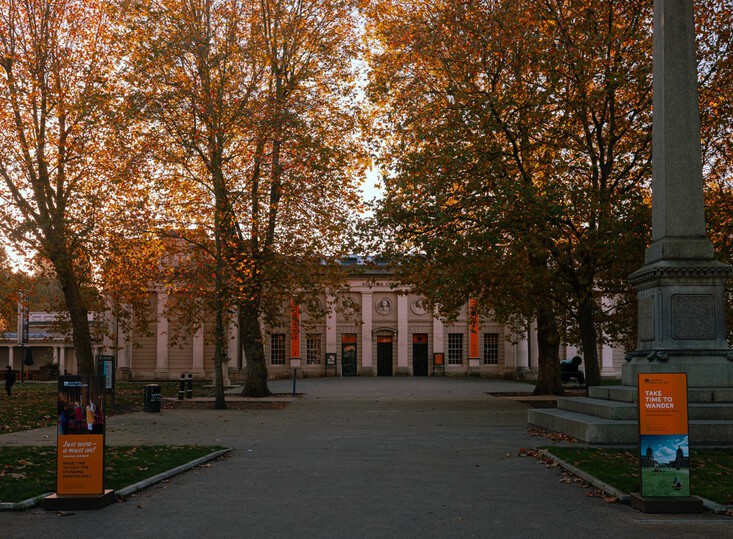
Alongside heritage conservation, public infrastructure investments are introducing world-class leisure facilities to the area. These include the new Woolwich Waves leisure centre, an £80 million complex featuring a 25-metre swimming pool, teaching pool, splash pad, sports hall, fitness suite, squash courts and community spaces in Woolwich New Road.
Weaving these modern amenities together are enhanced pedestrian routes and cycle paths spanning the town centre, public parks and the Thames Path.
Additionally, grants and conservation programmes are restoring Victorian and Edwardian shopfronts along the main commercial thoroughfares, preserving the town’s architectural character.
For those thinking about putting down roots in Woolwich, one of the key appeals created by the ongoing Woolwich investment is the tangible improvement in everyday quality of life. It’s fair to say the town boasts the energetic buzz of an emerging cultural hub, whilst retaining the practical conveniences of a well-connected London neighbourhood.
For example, cross-station connectivity between the Elizabeth line, DLR and National Rail makes commuting to major employment hubs in Canary Wharf, the City and the West End fast and reliable.
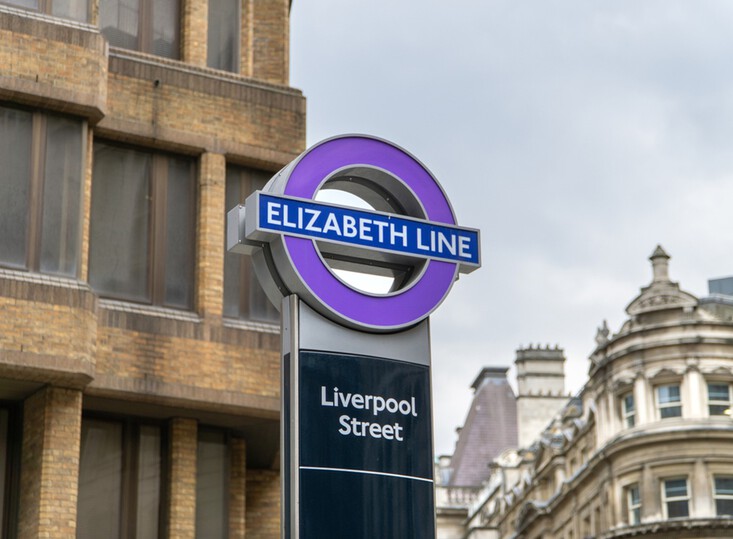
Woolwich’s improving connectivity and growing mix of amenities are attracting a broad range of homebuyers, including first-time buyers, professionals, couples and families looking for a well-connected London neighbourhood with long-term growth potential.
Leisure fans will no doubt be attracted by the growing collection of easily reachable independent cafés, craft breweries, riverside gastropubs, bakeries and high street retailers.
And after you’ve enjoyed a delicious meal at one of the many local eateries, there are plenty of opportunities for scenic walks along nearby riverfront promenades, General Gordon Square, Wellington Park and nearby expansive green spaces like Woolwich Common and Greenwich Park.
Alternatively, if culture is your thing, proximity to Woolwich Works, local artist studios, pop-up markets and seasonal festivals make for an engaging community spirit.
With that in mind, it’s easy to answer in the affirmative to the question ‘Is Woolwich a good place to live’. Thanks to its long-term public backing and private investment, homebuyers and investors are choosing a location that continues to improve year after year, offering excellent long-term lifestyle appeal.
A standout chapter in this remarkable growth story is London Square Woolwich, a prestigious residential development on Love Lane and Grand Depot Road.
Perfectly situated to capitalise on the ongoing investment across SE18, this contemporary collection of 122 one and two-bedroom apartments celebrates both Woolwich’s rich history and bright future.
The designers behind London Square Woolwich are Formation Architects, renowned for integrating modern architectural elegance with functional living spaces tailored for urban professionals, couples and small families.
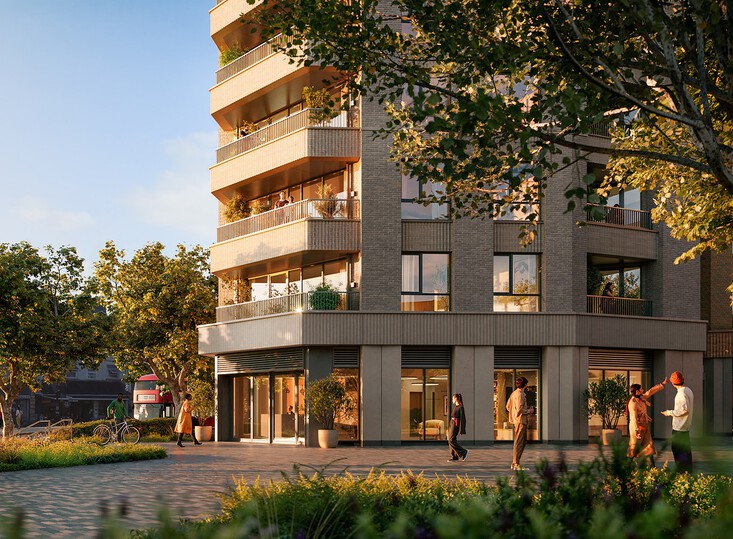
Just a short walk from both Woolwich Elizabeth line station and Woolwich Arsenal DLR station, London Square Woolwich’s private amenities include landscaped rooftop terraces, which offer panoramic views across the Thames and London skyline.
There’s also a dedicated co-working lounge with high-speed internet and flex workspaces - just right for modern hybrid working.
Further peace of mind is granted, thanks to an on-site a 12-hour concierge service that handles security and parcel management, whilst providing day-to-day assistance to residents.
Crucially, London Square Woolwich is located directly opposite the upcoming Woolwich Leisure Centre and just moments from the transformation taking place at Beresford Square and Woolwich Exchange.
As new build homes in Woolwich continue to drive interest in the borough, London Square Woolwich represents an outstanding opportunity to secure a property in a sought-after neighbourhood rich in community vitality and ambition.
To discover available homes and learn more about modern living in Woolwich, explore London Square today.
Frequently asked questions
What regeneration is happening in Woolwich?
Woolwich is undergoing a multi-million-pound regeneration programme involving town centre redevelopments like Woolwich Exchange, public realm transformations at Beresford Square, a new state-of-the-art leisure centre, continued cultural expansion at Royal Arsenal and modern residential projects including London Square Woolwich.
What is the Woolwich Exchange development?
Woolwich Exchange is a major 2.3-hectare residential-led scheme located in Woolwich town centre. Delivered by the Royal Borough of Greenwich and corporate partners, it includes over 1,000 new multi-tenure homes, public open space and the restoration of the Grade II listed former covered market into a community, retail and leisure hub.
Is Woolwich a good place to live?
Yes, Woolwich is an increasingly popular place to live due to its swift Elizabeth line transport links, rich naval history, vibrant cultural scene at Woolwich Works, expanding choice of dining and retail spots and extensive ongoing investment improving public parks and local infrastructure.
Are there new homes being built in Woolwich?
Numerous new residential developments are being delivered across Woolwich. High-profile examples include London Square Woolwich on Love Lane, which offers stylish one and two-bedroom apartments with rooftop views, co-working facilities and direct access to transport hubs.


 CALL